

What to See at Buda Castle
Buda Castle rewards visitors who know where to look. The Royal Palace houses the Hungarian National Gallery and the Budapest History Museum, while the surrounding district holds Matthias Church, Fisherman’s Bastion and some of the finest views over the Danube and Parliament. This guide walks through the highlights inside the palace, the museums worth your time, the terraces and viewpoints across the grounds, and the landmarks within a short walk — so you can decide what to prioritise before you arrive.
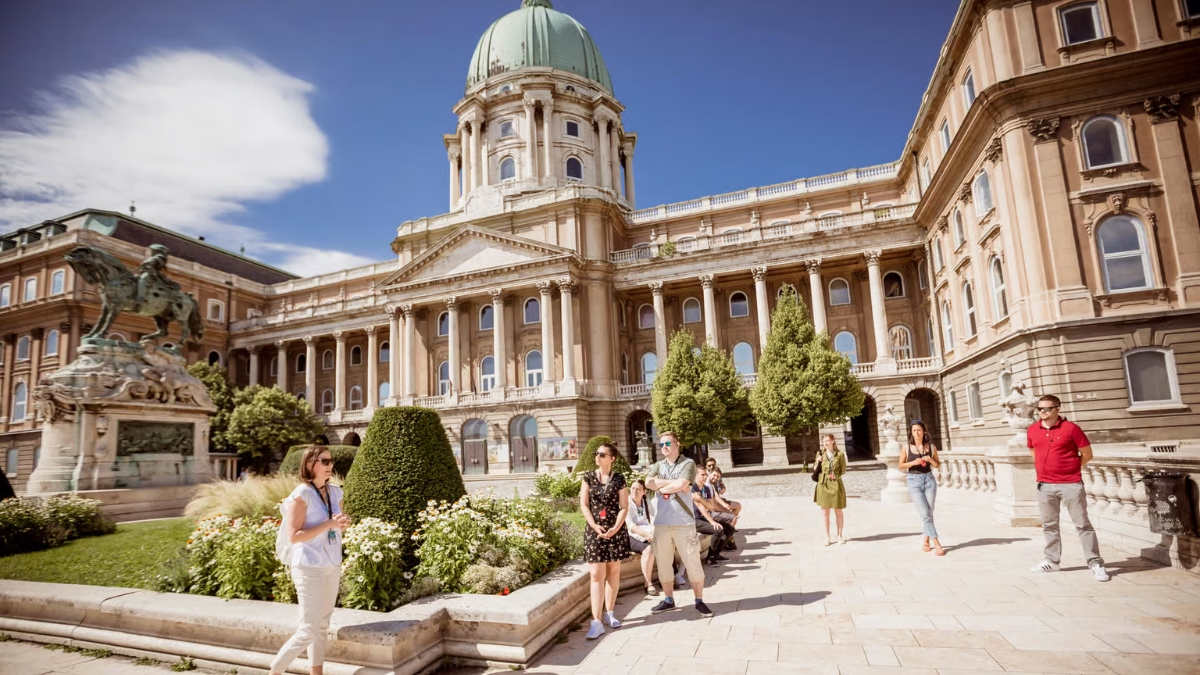
Top Highlights at Buda Castle
The headline sights and experiences most visitors want to see first.
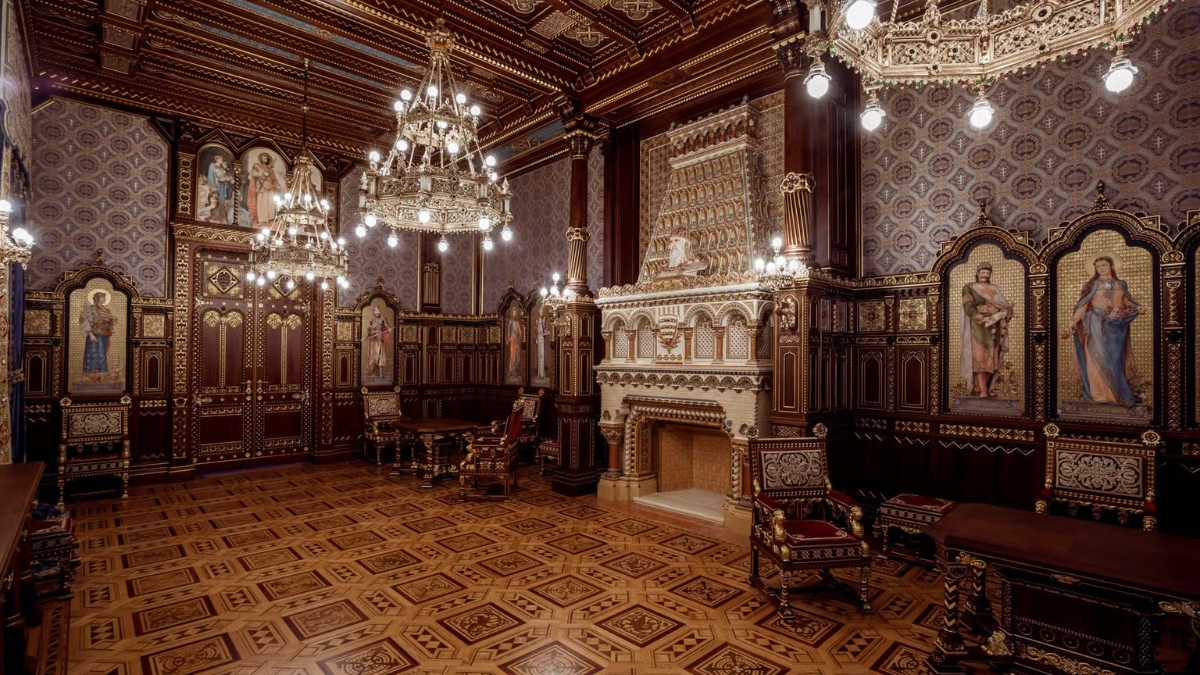
Buda Castle Museums & Viewpoints
The hilltop complex holds three ticketed museums — the Hungarian National Gallery, Budapest History Museum, and National Széchényi Library — plus free courtyards, terraces, and iconic statues like the Turul and Matthias Fountain, all open around the clock.
Explore →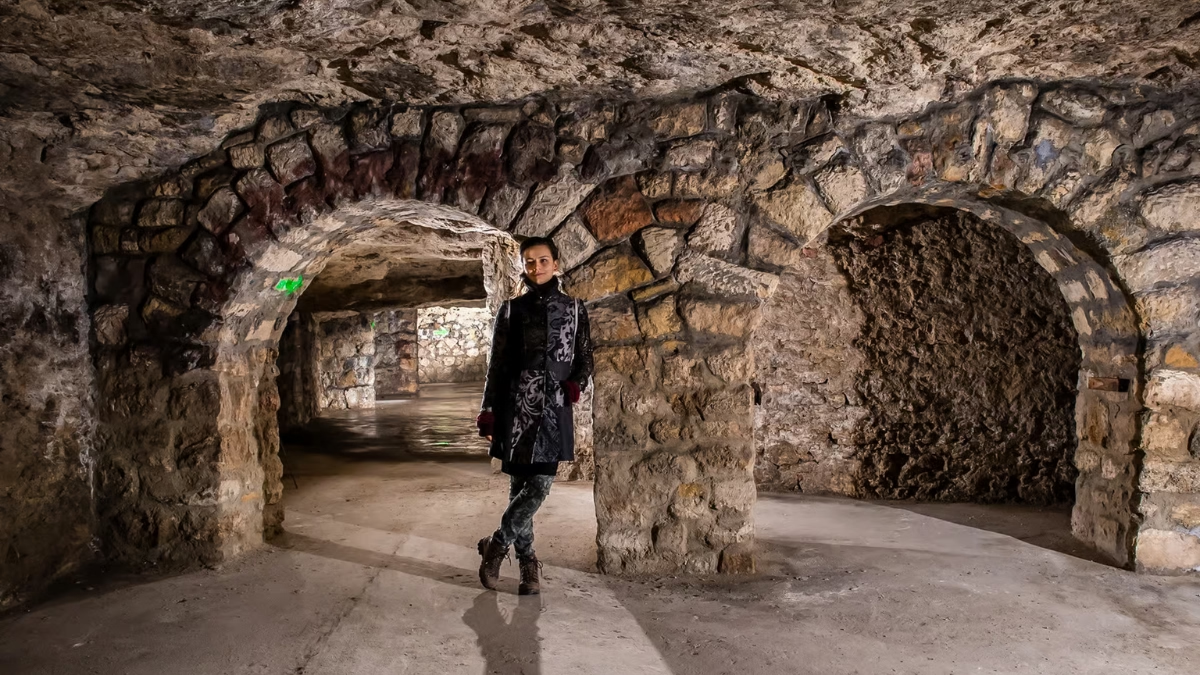
Buda Castle Tunnels & Underground Labyrinth
Beneath Castle Hill lies a network of caves, cellars, and passages carved over 800 years into the limestone ridge. Visitors can explore them through guided cave tours, the Labyrinth exhibition, or the Hospital in the Rock — a genuine WWII and Cold War emergency shelter turned museum.
Explore →Museums Inside Buda Castle
World-class art and centuries of Budapest history under one roof.

Hungarian National Gallery Buda Castle
Explore Hungary’s premier art museum inside Buda Castle, featuring medieval masterpieces through contemporary works. Discover floor-by-floor highlights, essential artworks not to miss, and practical visiting information including hours, tickets, and best times to visit.
Read guide →
Budapest History Museum at Castle
Located inside Buda Castle, this museum spans 2,000 years of Budapest’s past—from Roman Aquincum through the Ottoman siege to medieval Buda. The exhibits show how the city evolved from a provincial Roman town to a European capital. Worthwhile for history enthusiasts, though it requires 2–3 hours to fully explore.
Read guide →Buda Castle Grounds and Panoramic Views
Open-air terraces and vantage points overlooking the Danube.
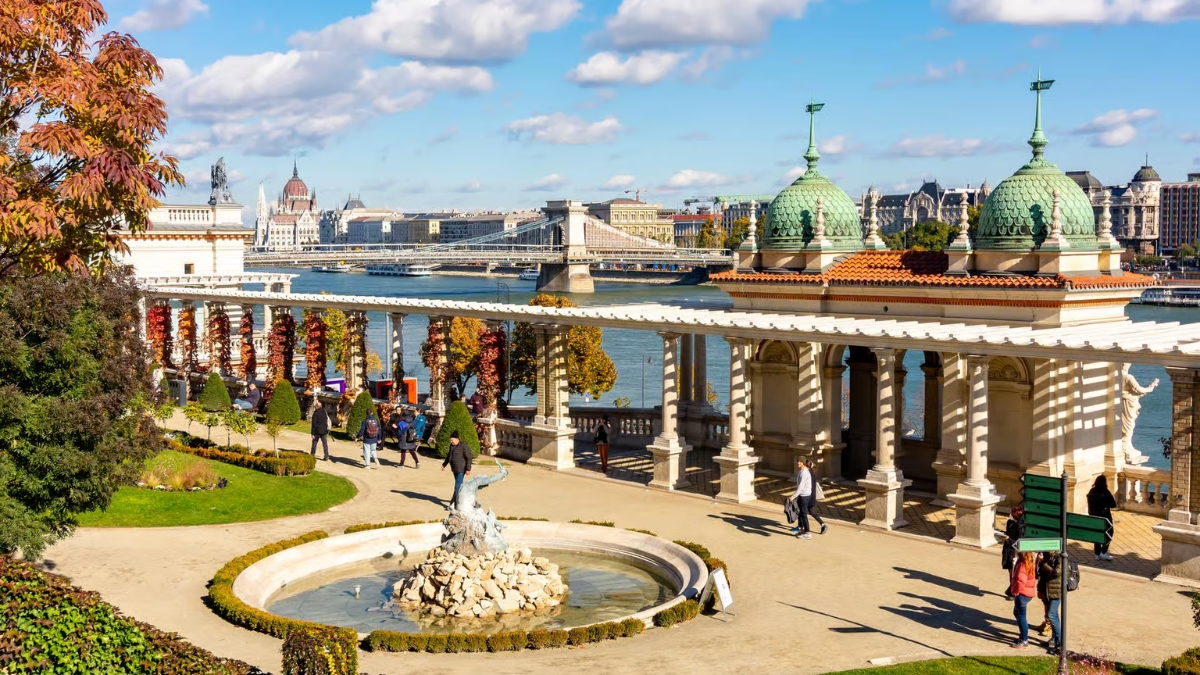
Buda Castle Grounds & Panoramic Views
Buda Castle’s grounds are free and open year-round, offering Budapest’s most iconic panoramic views of the Danube, Chain Bridge, and Parliament Building. Wander the open areas, enjoy the vistas, and take photos without paying museum entry fees. A must-visit for views alone.
Read guide →Historic Landmarks Near Buda Castle
Medieval church and fairy-tale towers steps from the castle walls.
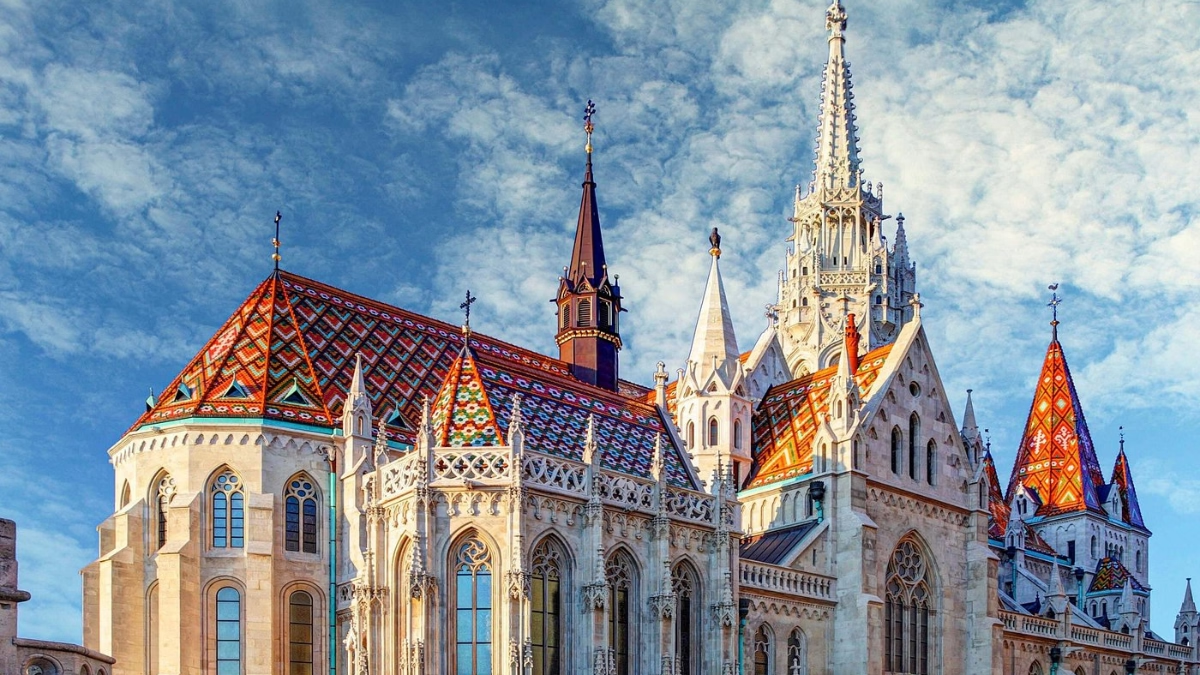
Matthias Church Budapest
Matthias Church stands out for its distinctive tiled roof and role in royal coronations throughout Hungarian history. Discover the church’s stunning interior, architectural highlights, visiting hours, and photography tips on historic Castle Hill.
Read guide →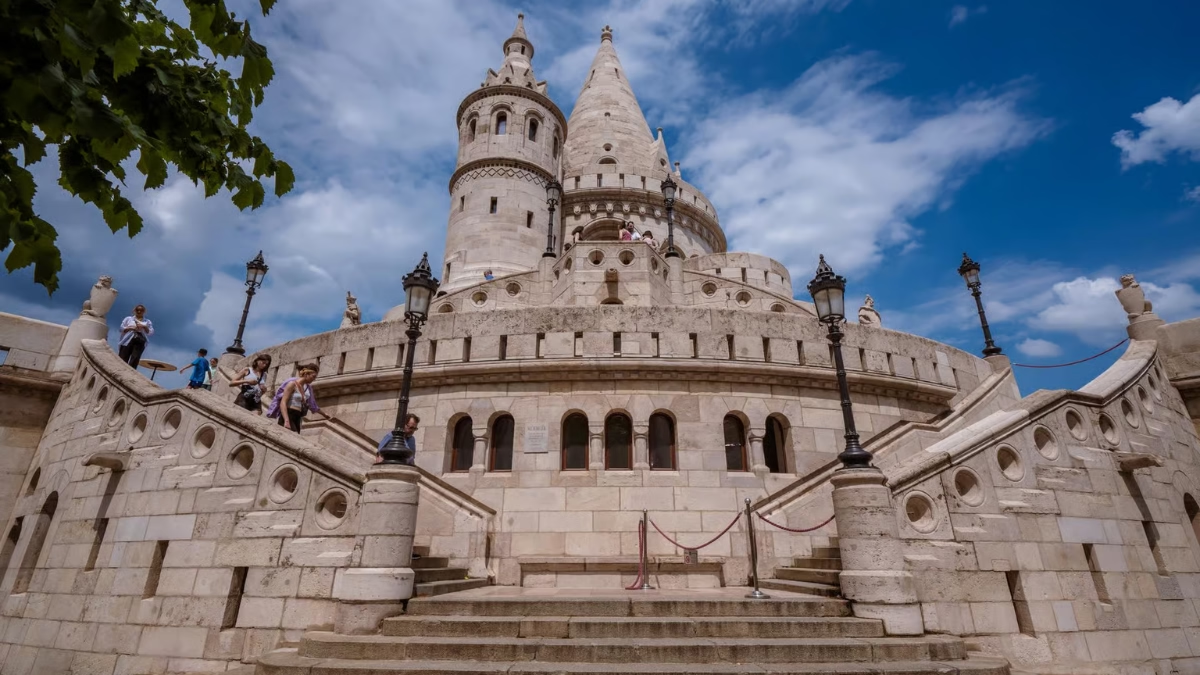
Fisherman’s Bastion Towers & Views
Fisherman’s Bastion offers free access to lower terraces and paid upper-tower tickets with sweeping city views. Learn the best viewpoints, photo spots, current hours, and pricing for this iconic Castle Hill landmark.
Read guide →How to Choose What to See at Buda Castle
A quick guide based on your interests and visit style.
Only Have One Hour
Skip the museums and soak in what you can’t get anywhere else — the hilltop views.
- Walk the castle grounds for free Parliament and Danube panoramas
- Snap photos from Fisherman’s Bastion lower terraces (free entry)
- Peek inside Matthias Church — its tiled roof alone is worth the detour
- Save the museums for a return visit; they need 1–2 hours each
First Time in Budapest
Get the full Buda Castle experience by combining history, art, and the iconic skyline views.
- Start at the Budapest History Museum for 2,000 years of context in one building
- Walk the grounds and terraces to photograph the Parliament across the river
- End at Fisherman’s Bastion for the postcard-perfect panorama
Art and Architecture Lovers
Buda Castle rewards anyone who looks closely — from Gothic vaults to neo-Romanesque towers.
- Spend 2 hours in the Hungarian National Gallery for medieval altarpieces and 19th-century Hungarian masters
- Study Matthias Church — its Zsolnay ceramic roof tiles and painted interior are unlike any church in Europe
- Explore the Fisherman’s Bastion turrets, designed as a theatrical backdrop, not a real fortification
Curious Explorers and Kids
Underground tunnels and hidden passageways turn Buda Castle into an adventure, not just a museum.
- Head underground into the Castle Tunnels & Labyrinth — part natural cave, part wartime shelter
- Climb the Fisherman’s Bastion towers for a fairy-tale castle feel kids love
- Wander the open grounds — plenty of space to roam with no ticket needed
Continue Exploring Buda Castle
Book your tickets and plan the practical details of your visit.

Frequently Asked Questions
Common questions about what to see and prioritise.